
Why we existWe couldn't look past it.
Year after year, most of the world's 50 most polluted cities are in India.
Source: IQAir World Air Quality Report
But for us, this was never just a statistic. It was something we saw every single day.
Take a walk down any street in our country and you'll find it. Plastic bags caught in bushes. Bottles abandoned along roadsides. Waste dumped into lakes, scattered across hills, and left behind in places that should be beautiful.
We've grown so used to seeing it that, somewhere along the way, we've learned to look past it. But we couldn't. It bothered us, and we knew we weren't alone.
We kept coming back to one simple question: what can we actually do about it?
The problem was enormous. Littering isn't confined to one neighbourhood, one city or one state. It's everywhere, and we didn't have all the answers.
So we decided to start small. We chose one spot that needed attention, showed up, picked up the waste, and tried to leave it a little better than we found it.
And then we did it again.
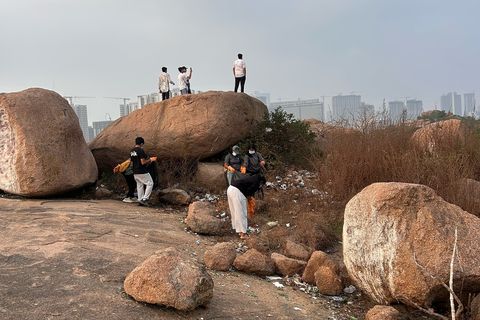
Along the way, we began to realise this isn't simply a problem of resources or economic development. Countries with fewer resources keep their surroundings remarkably clean. Perhaps the question isn't just about what we have, but about how we think, what we value, and how we treat the spaces we share.
We take pride in keeping our homes clean. We sweep our floors, organise our belongings, and make our spaces comfortable. Yet the moment we step outside, that sense of responsibility often seems to disappear.
We didn't start because we had the solutions. We started to look for them, together with everyone who feels the same way.
How cleaning helpsBut won't it get littered again?
We hear this almost every time we talk about our cleanups, and it's a fair question. We've cleaned places only to see them littered again, and it will happen many more times.
But keeping a place clean isn't the only thing we're trying to achieve. For us, a cleanup is as much about understanding waste as it is about collecting it. And that understanding begins with ourselves.
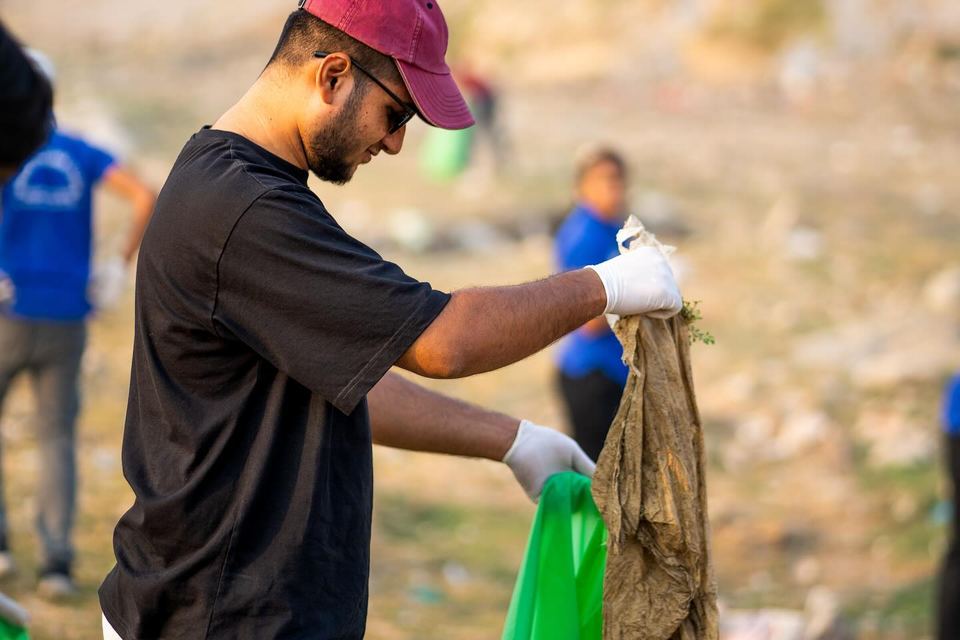
When we started organising cleanups, we began noticing things we had never paid attention to. The sheer variety of waste made us think about the things we use every day, how often we throw them away, and where they end up.
Picking up litter also showed us how hard it is to clean up after ourselves. Things we had casually thrown away took time and effort to collect. It was no longer just about telling people not to litter. It became a personal question: what can I do differently?
And that was only the beginning. What happens after we put our waste in a dustbin? Does it actually get recycled? What happens when it can't be, and ends up in a landfill? The more we asked, the more we realised how little we knew about the journey our waste takes after it leaves our hands.
So we reconsidered our everyday choices. Could we use fewer disposable products? Choose reusable alternatives? Be more mindful of what we consume and what we throw away? Gradually, abstract ideas became practical changes in our lives.
That's what makes our cleanups meaningful to us. They aren't just about collecting waste. They're a chance to learn, question our habits, and understand our own role in the larger problem.
The places we clean might get littered again. But the experience of cleaning them stays with us long after we leave.
Our philosophyWhere art meets activism
We describe A Waste Project as a joyful union of science and entertainment. We know the problems we want to address, and we want to find ways to solve them. But we also believe the process doesn't have to be boring.
We want our cleanups to be lively experiences where people come together, have fun, and are part of something meaningful. Because while activism gives us a reason to come together, art can give people a reason to stay.
That's why music is an integral part of our cleanups. Whether it's an artist playing an instrument or a DJ performing as the sun rises, we want an atmosphere that makes people excited to take part, bringing energy and life to the spaces we clean without disturbing the ecosystems around them.
Think about it. If an activity feels like an obligation, something arduous we do for the betterment of society, how often will we return to it? Once or twice a year, perhaps. But when people associate it with joy, music, art and good company, they have a reason to keep coming back.
We don't want people to feel obligated to participate in activism. We want to make them want to.
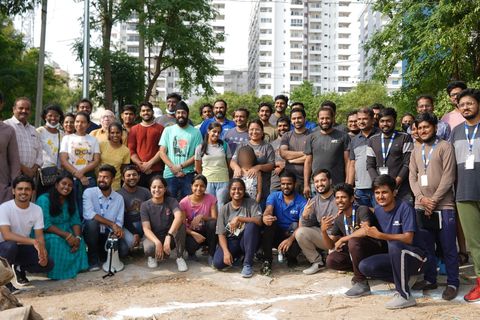
We believe art can be that bridge. It draws people in, creates a shared experience, and gives them a chance to discover something beyond what brought them there. Once people are enjoying themselves, conversations about plastic pollution, littering and the waste we generate become a natural part of the morning.
This matters to us because we want younger generations to join in. Working towards a better environment doesn't have to mean sacrifice or hardship. It can mean a beautiful morning outdoors, new music, like-minded people, and leaving a place better than we found it.
The problems we face are complex, and the solutions won't come overnight. But when people come together with enthusiasm, curiosity and a shared sense of purpose, the journey becomes a little easier.
Come to a cleanup.
No experience needed, and we bring the equipment.